Product development workflow
Every feature moved through one continuous lifecycle: from business goal to public release, and straight into the next iteration. It runs as a loop.
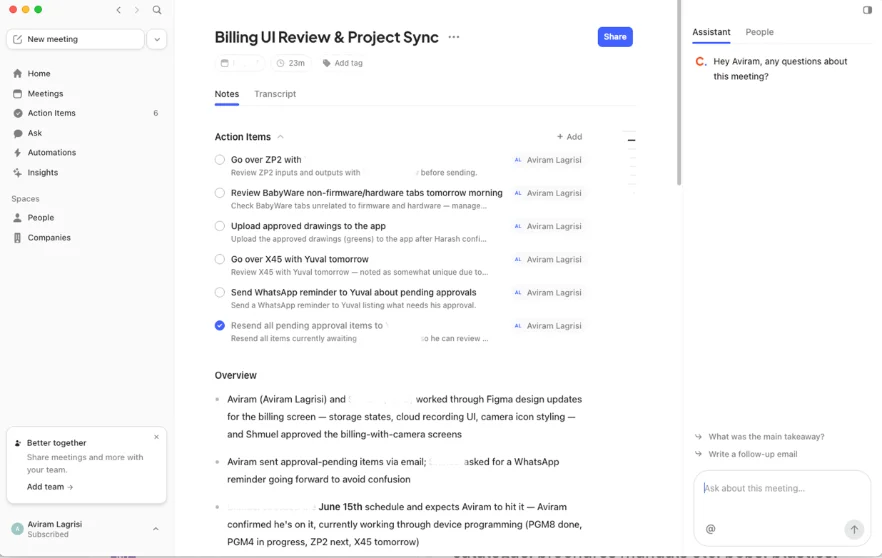
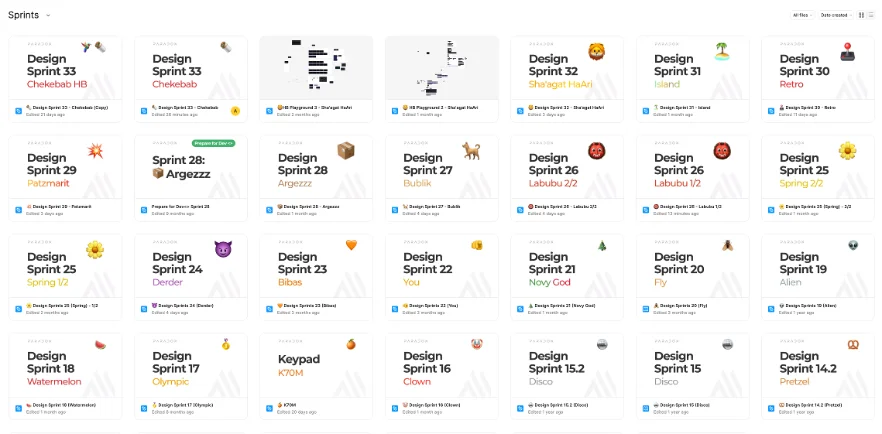
Design work was managed through structured sprint planning, while Circleback documented meetings, tracked decisions, and followed action items with Product, R&D, management, distributors, and installers.
Scaling design operations
Managed multiple design systems simultaneously across products and platforms: consistency across the ecosystem, freedom for each experience to evolve.
Every feature moved through structured versions before development. Each iteration included reviews, stakeholder feedback, refinement, approval, and developer handoff.
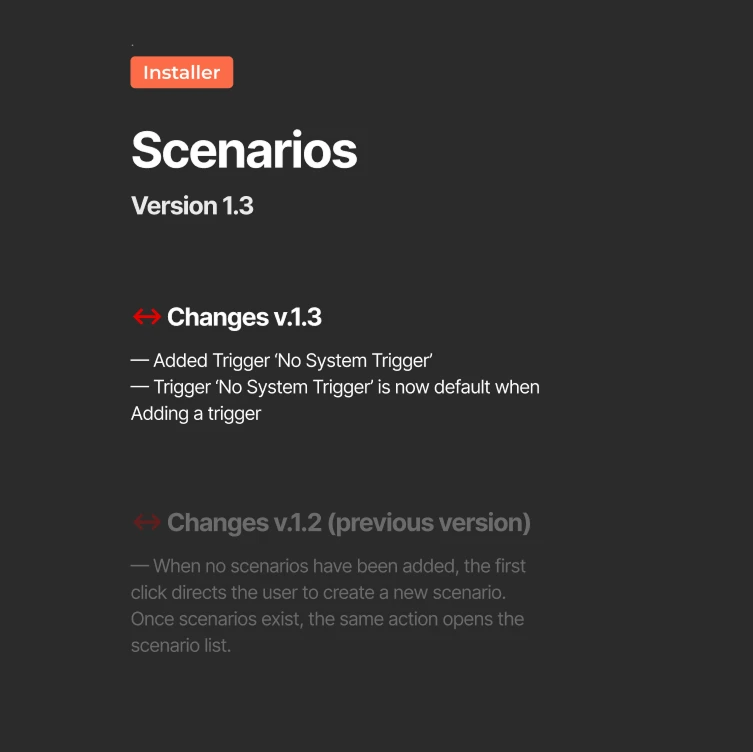
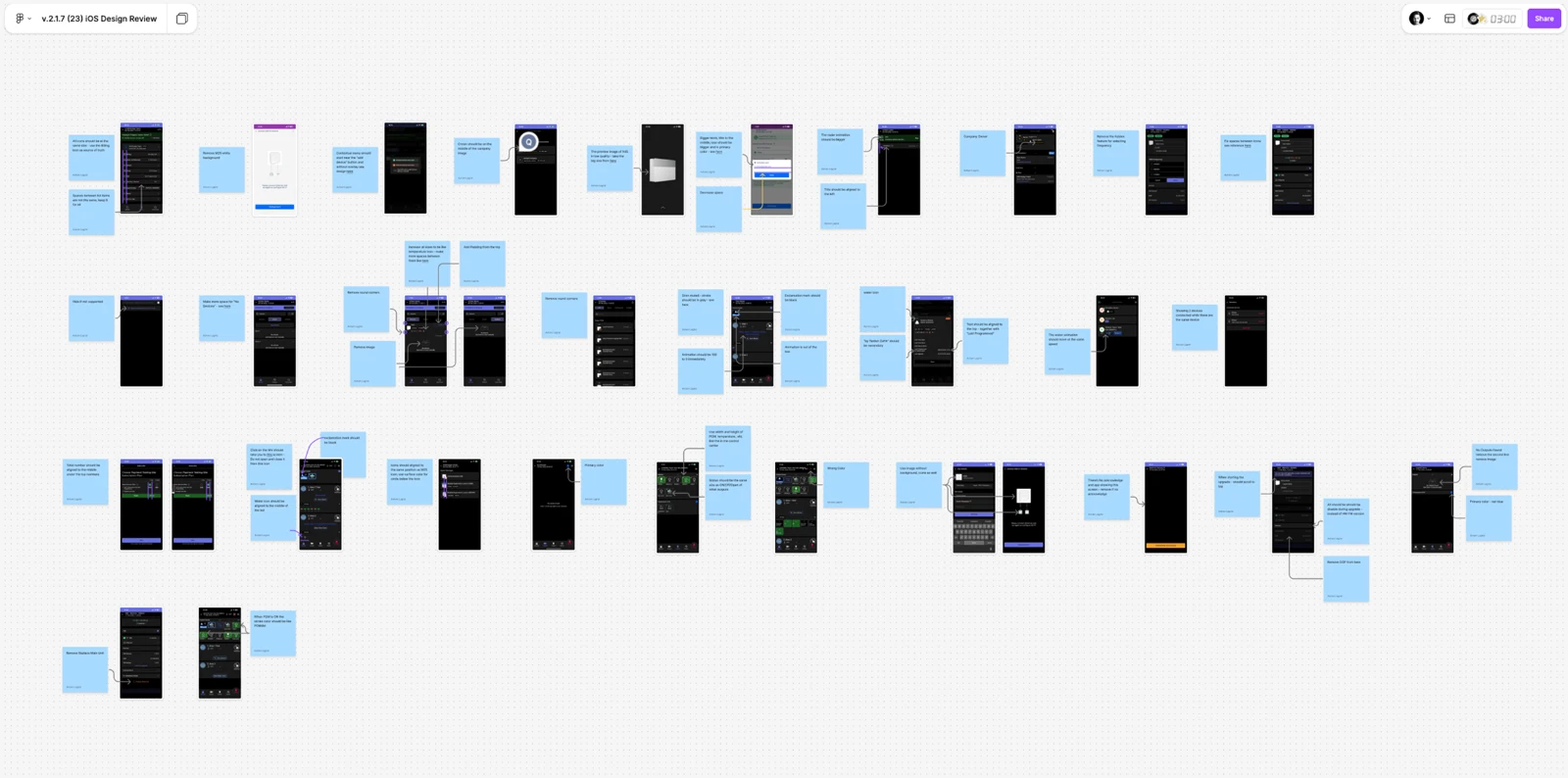
Design ownership continued after development. Every implemented feature was reviewed for design quality, interaction accuracy, consistency, and alignment with the approved version before release.
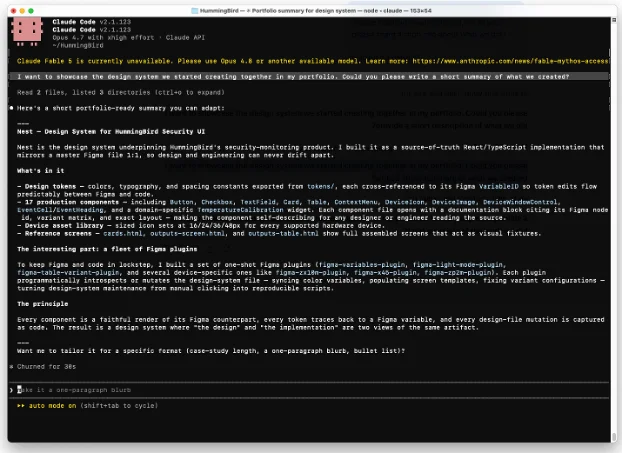
Integrated Claude into the daily design workflow: research, documentation, design thinking, content creation, technical writing, and collaboration with engineering. Product decisions stayed human-driven.
Planned and prioritized work across multiple products: balancing business priorities, engineering capacity, design resources, and release schedules.
Daily work with Product Managers, R&D leaders, developers, QA, management, distributors, installers, and marketing to align product decisions throughout development.
Managed multiple design systems simultaneously across products and platforms: consistency across the ecosystem, freedom for each experience to evolve.
Every feature moved through structured versions before development. Each iteration included reviews, stakeholder feedback, refinement, approval, and developer handoff.
Design ownership continued after development. Every implemented feature was reviewed for design quality, interaction accuracy, consistency, and alignment with the approved version before release.
Integrated Claude into the daily design workflow: research, documentation, design thinking, content creation, technical writing, and collaboration with engineering. Product decisions stayed human-driven.
Planned and prioritized work across multiple products: balancing business priorities, engineering capacity, design resources, and release schedules.
Daily work with Product Managers, R&D leaders, developers, QA, management, distributors, installers, and marketing to align product decisions throughout development.
Managed multiple design systems simultaneously across products and platforms: consistency across the ecosystem, freedom for each experience to evolve.
Every feature moved through structured versions before development: reviews, stakeholder feedback, refinement, approval, and developer handoff.
Design ownership continued after development. Every implemented feature was reviewed for design quality, interaction accuracy, consistency, and alignment with the approved version before release.
Integrated Claude into the daily design workflow: research, documentation, design thinking, and collaboration with engineering. Product decisions stayed human-driven.
Planned and prioritized work across multiple products: balancing business priorities, engineering capacity, design resources, and release schedules.
Daily work with Product Managers, R&D leaders, developers, QA, management, distributors, installers, and marketing to align product decisions throughout development.
Design beyond screens
Whenever design could improve the company, I contributed beyond the product itself: branding initiatives, marketing assets, presentation design, hardware aesthetics, and PCB visual direction. The goal was always to strengthen the whole product ecosystem, beyond the interface.
